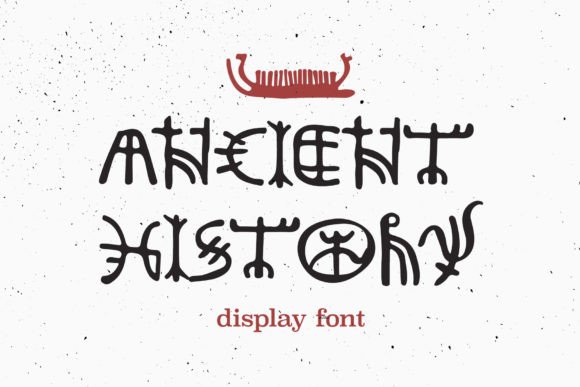
Ancient History Font: A Whimsical Journey for Your Designs
There’s a certain magic in the way old manuscripts, weathered signs, and vintage labels catch the eye. It’s not just the aged patina; it’s the character etched into every letterform. For designers and creators seeking to infuse that timeless, storied quality into modern projects, the Ancient History display font offers a direct portal to the past. This isn’t just another serif; it’s a typeface with personality, designed to evoke a sense of wonder, craftsmanship, and narrative depth that sterile, modern fonts often lack.
More Than Just a Typeface: The Character Behind the Characters
At its core, Ancient History is a premium font that walks the line between historical reference and playful design. Its visual appeal lies in its unique blend of serif foundations with whimsical, almost hand-crafted details. Think of the sturdy, readable structure of a classic serif font, but with subtle irregularities, gentle curves, and a touch of ornamentation that gives it a distinct, approachable charm. This makes it far more versatile than a rigid, formal typeface. It’s a creative font that feels authentic and human, avoiding the coldness of purely digital lettering. The included styles, often featuring regular, bold, and italic variations, provide flexibility for hierarchy and emphasis without sacrificing its core aesthetic.
Where Ancient History Truly Shines: Practical Applications
The real value of a font like this is realized in application. Its personality is best suited for projects where storytelling, atmosphere, and a touch of whimsy are paramount.
Building a Memorable Brand Identity
For small businesses, especially those in artisanal goods, boutique hospitality, independent publishing, or historical tourism, a font with this much character is a powerful branding asset. Imagine it on a logo design for a craft brewery, a heritage bakery, or a vintage bookshop. It immediately communicates a story, values, and an experience, forming the cornerstone of a recognizable brand identity. It pairs exceptionally well with a clean, modern sans serif font for body text, creating a dynamic contrast that is both professional and engaging.
Commanding Attention in Print and Digital Media
In packaging design, Ancient History can make a product stand out on a crowded shelf. It’s perfect for headers on artisanal cheese labels, special edition coffee bags, or cosmetic products with a natural, historical theme. For editorial design, think chapter titles in a fantasy novel, headers for a history magazine, or titles in a heritage cookbook. Its strength as a display font means it’s crafted for impact at larger sizes, making it ideal for posters, event invitations, and signage where you need to draw the viewer in from a distance.
Elevating Digital Presence and Social Content
Online, this font can break through the visual noise. Use it for striking headlines on a blog focused on travel, history, or DIY crafts. In social media graphics, a single word set in Ancient History can become the focal point of an Instagram post or a Pinterest pin, adding instant visual interest and brand consistency. For web design, it’s best used sparingly but effectively—perhaps for hero section headings, banner text, or call-to-action buttons—to create memorable touchpoints without compromising overall site readability.
Using Ancient History Effectively: Practical Design Advice
Integrating a distinctive font into your workflow requires a thoughtful approach to ensure it enhances, rather than overwhelms, your message.
Match the Font to the Project’s Soul. Before selecting, ask: What is the core emotion or idea? Ancient History excels at conveying nostalgia, adventure, craftsmanship, and story. It’s less suited for corporate finance reports or cutting-edge tech interfaces. Align the font’s personality with your project’s goals.
Prioritize Readability and Pairing. As a display font, it’s not intended for long paragraphs of body copy. Its intricate details can become cluttered at small sizes. The key is to use it strategically for headlines, subheadings, or pull quotes, and pair it with a highly readable font for body text. A simple sans serif font or a clean serif font often makes an excellent partner, providing visual rest and clarity.
Test Extensively Before Committing. Always view the font in context. Type out your actual headlines or logo text. Check how it looks in different colors, on various backgrounds, and at multiple sizes. Does the whimsy translate well to a business card? Is it still clear when used in a dark-mode website header? Testing is non-negotiable for professional results.
Understand the Licensing. For any commercial project—from client work to selling merchandise—ensure you have the correct commercial font license. Most premium fonts come with clear licensing terms for desktop, web, and app use. Respecting these terms is a fundamental part of professional practice and protects your work.
Ultimately, fonts like Ancient History are more than just design assets; they are tools for communication. By understanding its strengths and applying it with intention, you can transform a standard project into something that feels truly crafted, memorable, and full of story. It’s a reminder that in our digital age, the right typographic choice can still evoke the warmth and depth of the hands that once wrote history.