Spider: The Display Font That Brings Instant Energy to Your Designs
There are moments in a design project when you need a typeface that doesn't just sit quietly on the page—it needs to leap out, grab attention, and inject a dose of pure, unapologetic fun. You're working on a Halloween party invite, a kids' event poster, a bold social media graphic for a sale, or branding for a playful product. The standard corporate sans-serifs feel too sterile, and delicate scripts get lost in the noise. You need something with personality, something that feels celebratory and a little bit mischievous. This is precisely the space where a well-crafted display font like Spider thrives, transforming a standard layout into a memorable visual statement.
A Typeface Built for Celebration and Impact
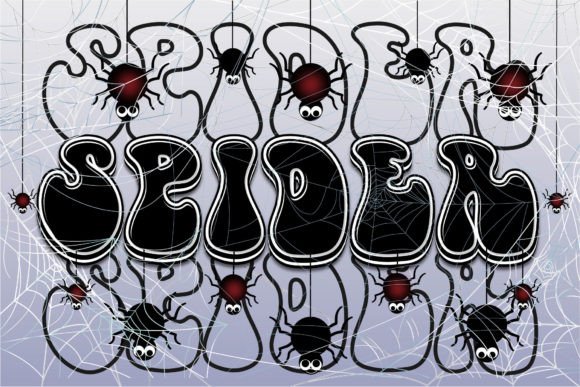
Spider is an exuberant display font designed to fill your designs with cheerfulness and energy. Its visual character is defined by rounded, bouncy letterforms with a slightly irregular baseline, giving it a hand-crafted, lively feel. Think of the typography you might see on a carnival sign, a children's book cover, or a retro candy wrapper—it's approachable, friendly, and impossible to ignore. Unlike more rigid typefaces, Spider's charm lies in its imperfections and playful proportions, which help it convey a sense of joy and spontaneity.
This isn't a font for body text or lengthy paragraphs. Its strength is in headlines, logos, and short, punchy statements where its unique personality can shine without compromising readability. When you're choosing a font style for a project, the first question should always be about the mood you want to evoke. If the answer involves words like "fun," "energetic," "whimsical," or "festive," then a creative font like Spider is a strong contender. It’s a premium font asset that serves a very specific and valuable purpose in a designer's toolkit.
Practical Applications: Where Spider Truly Shines
The real value of a typeface is measured by its utility across different projects. Spider's versatility as a display font makes it a practical choice for a surprising range of applications, far beyond just Halloween designs. Its cheerful vibe translates well to any context that needs to feel welcoming and upbeat.
For Branding and Logo Design: If your brand identity is built around playfulness, creativity, or family-friendliness, Spider can be a fantastic tool for your logo. A bakery specializing in whimsical cupcakes, a children's entertainment company, or a toy shop could use it to create an instantly recognizable and approachable mark. It helps build brand recognition by setting a distinct, consistent tone from the very first interaction. The key is to ensure the font's personality aligns perfectly with your core brand values.
In Packaging and Marketing Materials: On a shelf crowded with products, packaging needs to pop. Using Spider for product names, taglines, or call-outs on labels can make items like snacks, craft supplies, or party favors feel more inviting and fun. It translates seamlessly to marketing assets like flyers, posters for community events, and discount banners, where its high-energy style can help improve audience engagement and draw the eye to key information.
Across Digital and Social Media: The digital landscape is visual, and a font with personality can stop the scroll. Spider is ideal for social media graphics—think Instagram story announcements, YouTube thumbnail text, or Pinterest pins for recipes and DIY projects. For bloggers and content creators, it can be used for article titles or section headers to break up text and add visual interest to a website, enhancing the overall web design without needing complex coding. It’s a design asset that helps maintain visual consistency across all your digital platforms.
Making It Work: Pairing and Professional Presentation
Using a strong display font effectively is about balance. You wouldn't pair Spider with another highly decorative typeface; the result would be visual chaos. The professional approach is to create a harmonious font pairing. This typically means combining your expressive display font with a clean, neutral companion.
Consider pairing Spider with a simple sans-serif font like Open Sans, Lato, or Montserrat for body text or supporting information. This contrast allows Spider's personality to take center stage in headlines while ensuring the overall design remains clean, legible, and professional. For a slightly different feel, a very traditional serif like Garamond could also create an interesting, dynamic contrast. Always test your pairings in context. How do they look on a mobile screen? Is the hierarchy clear on a printed poster? This testing phase is crucial for achieving a polished, professional presentation.
Also, pay attention to the font styles included with your purchase. Does Spider come with multiple weights or alternate characters? Understanding these options allows you to create more nuanced designs. For instance, using a bolder weight for a main headline and a regular weight for a subhead can create subtle yet effective visual hierarchy within the same typeface family.
A Final Thought on Licensing and Utility
Before downloading any commercial font, it's essential to review the licensing terms. Ensure the license covers your intended use, whether it's for a small business's logo, merchandise for sale, or a client's website. Reputable font foundries provide clear licensing information, which protects both you and the font creator.
Ultimately, a typeface like Spider is more than just a collection of letters; it's a tool for communication. It doesn't just display words—it conveys an emotion and sets a scene. By understanding its personality, applying it to the right projects, and pairing it thoughtfully, you can leverage this exuberant display font to create designs that are not only visually appealing but also strategically effective. It’s about choosing the right tool for the job, and when the job calls for a burst of cheerfulness, Spider is ready to deliver.